
What Is Seasonal Affective Disorder (SAD)?
SAD is a form of depression that shows up around the same time every year—usually fall or winter—and eases when days get longer.
Why? Less sunlight can affect brain chemicals that control:
- Mood (serotonin)
- Sleep (melatonin)
- Energy levels
Think of it like your brain’s internal clock getting confused. The result: low mood, low energy, and a strong desire to hibernate until April.
Common Signs of SAD (Adults and Kids)
Symptoms can be mild or more serious. Not everyone has all of these:
- Feeling sad, irritable, or just "meh"
- Low energy or constant fatigue
- Sleeping more—or struggling to sleep
- Changes in appetite
- Trouble focusing
- Pulling away from friends or family
- Feeling hopeless, worthless, or extra self-critical
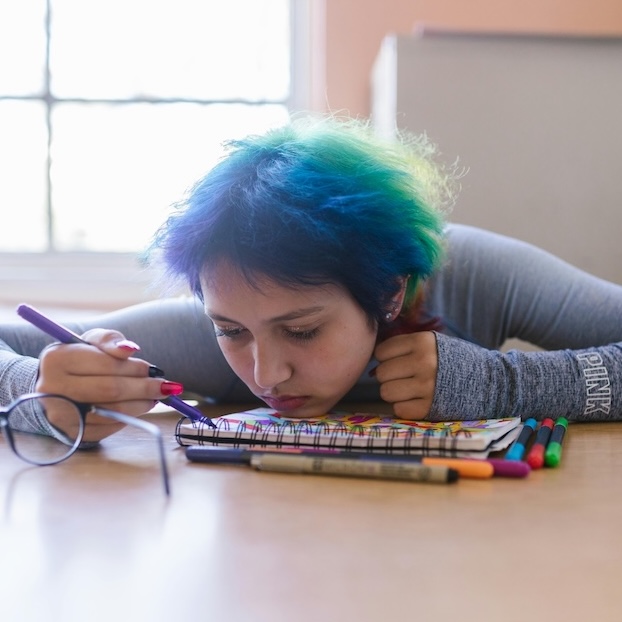
What SAD Often Looks Like in Teens
SAD in teens doesn’t always look like sadness. Watch for:
- Fatigue (especially mornings)
- School struggles or trouble concentrating
- Social withdrawal (“I’m fine” + bedroom door closed)
If you notice all three sticking around for weeks, it’s worth checking in.
What Parents Can Do (Starting Now)
The good news? SAD is treatable, and small changes really can help.
1. Let the Light In
- Encourage outdoor time—even on cloudy days.
- Morning light matters most. A short walk before school can help reset the brain’s clock.
- If light therapy is recommended, talk to your doctor first before using a light box.
2. Move the Body
- Daily movement helps mood and sleep.
- Walks, bike rides, shooting hoops, dancing in the kitchen—all of it counts.
- For teens: make it social if you can. Movement plus connection is hugely important.
3. Protect Sleep
- Keep bedtimes and wake times steady (even on weekends).
- Dim lights and screens at night.
4. Talk It Out
- Therapy helps kids name what they’re feeling and learn coping skills.
- It also reminds them they’re not “lazy” or “broken.” Their brain is just having a seasonal moment.
5. Consider Medication (When Needed)
- Because SAD affects serotonin, some teens benefit from antidepressants. Consult your child's physician.
Don’t Forget About Yourselves, Parents!
Quick gut check: if you feel exhausted, unmotivated, or extra snappy every winter… that matters too.
Things that can help:
- Morning light (even 10 minutes)
- Gentle movement
- Saying no to one unnecessary thing
- Talking to someone who isn’t your child or your boss
Kids notice when parents take care of themselves—and it gives them permission to do the same.
When to Get Extra Help
If your child talks about self-harm, hopelessness, or not wanting to be here, get help right away.
- National Suicide Prevention Lifeline: 1-800-273-TALK (8255)
- Crisis Text Line: Text HELLO to 741741
Hazel is here to help you better understand and support your child’s health. Our mental health services and licensed therapists help teens develop coping strategies for their mental health challenges. See if Hazel is available in your school.